
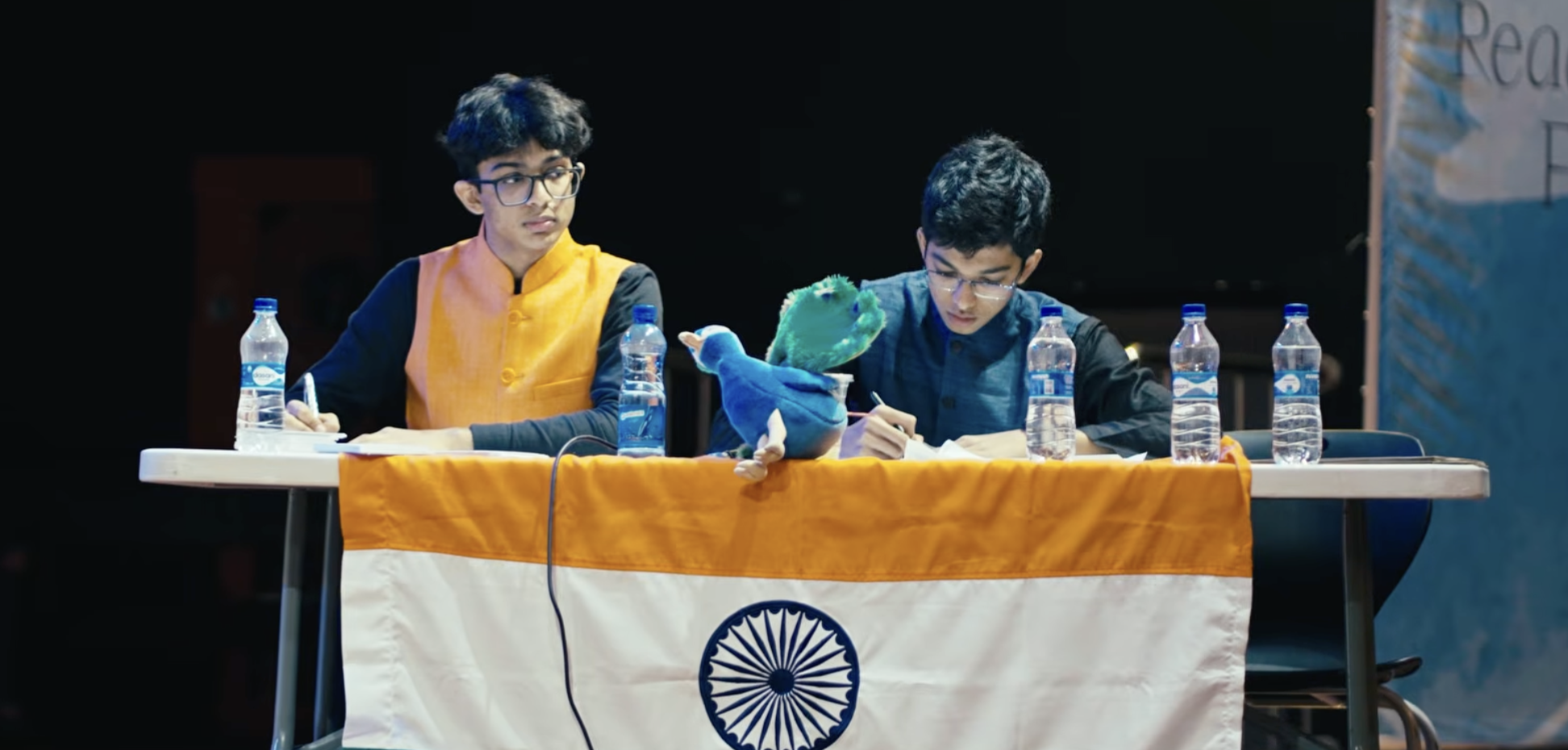

Unlocking the power of persuasion, Tejas Pugalia has taken his passion for debating beyond the classroom. Tejas, who served as a member and later as captain of the Indian Debate Team, can debate on almost anything—from public policy and economics to philosophy and pop culture. When it comes to debating, the world is his oyster.
Tejas was selected for the Indian Debate Team in December 2024, becoming one of just five students chosen from more than 4,000 speakers. Having initially joined the team as a member before going on to become its captain, he has since achieved something particularly remarkable: winning the Best Speaker of the Tournament award at the 2025 and 2026 World Schools Debating Championships (WSDC).
The 2025 competition, held in Panama City, saw Tejas help lead India to the world championship title. A year later, at the 2026 championships in Nairobi, Kenya, India made it all the way to the final before losing to Team Canada and finishing as runners-up. Despite the team's result, Tejas once again took home the Best Speaker award, becoming the first speaker in WSDC history to win the distinction in consecutive years.
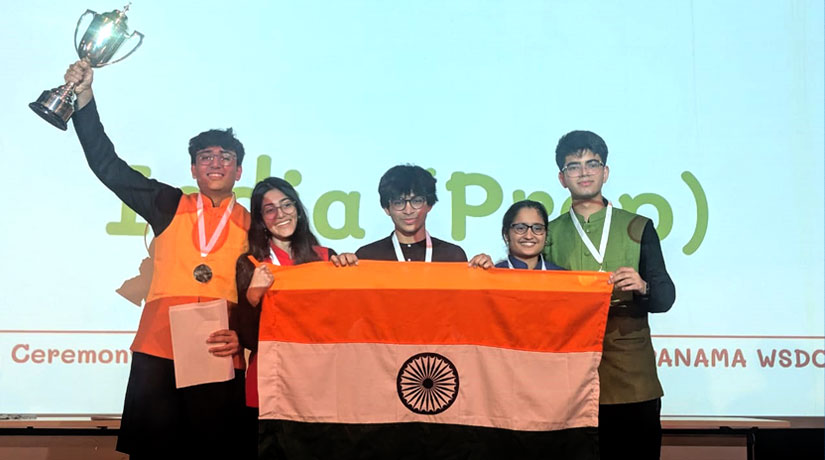
For someone who has spent years learning how to make a convincing argument, the experience has been about much more than winning.
"Debating, especially at the international level, has been an exhilarating journey that has truly expanded my horizons. Engaging with top debaters from around the globe has challenged me to refine my argumentation and eloquence, spurring a period of immense personal growth," Tejas says.
Now based in Belgium, Tejas has also seen first-hand how debating can introduce young people to perspectives and ideas beyond their immediate surroundings. But reaching the international stage is no easy feat. The selection process begins much earlier than many might expect, with aspiring debaters often starting at just 13.
"Most students who go through the rigorous screening process at the regional and national levels begin their journey at the age of 13. They learn to think critically, dissect complex arguments, phrase their thoughts eloquently and present them convincingly. It's definitely a gruelling process, but for those who love debating, it's extremely rewarding," he explains.
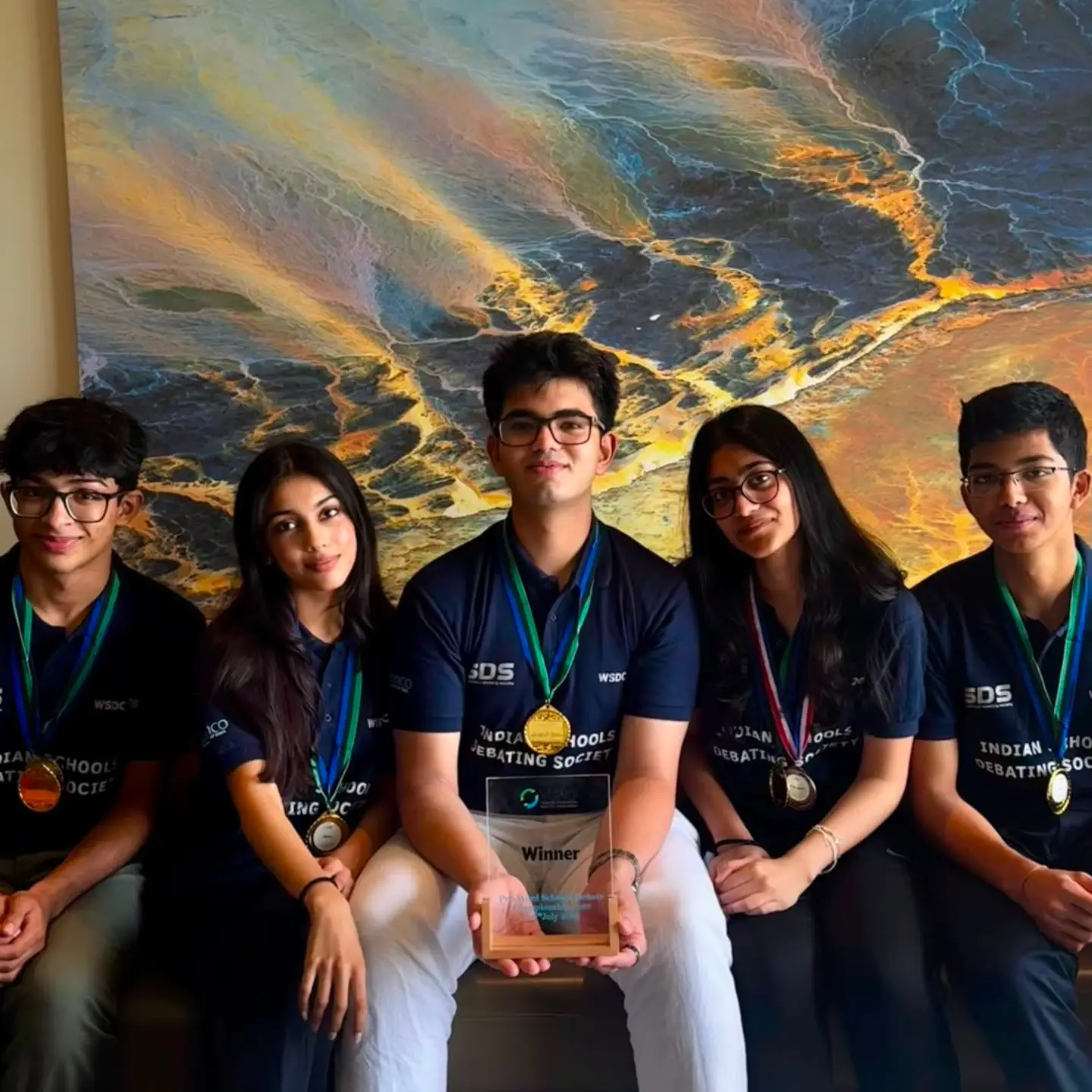
And while the trophies and international recognition might make it look effortless, there's plenty of hard work happening behind the scenes. According to his mother, Menka, debating has transformed the way her son approaches not just arguments, but also teamwork, responsibility and the demands of everyday life.
"Debating has given my son a lot, including the ability to work as part of a team. Adapting to different roles and people each year, while also managing studies and co-curricular activities, has been quite a challenge. Tejas, however, has literally burned the midnight oil," she says.
For Tejas, then, debating is about far more than having the last word. It's about learning to listen, understanding perspectives that might challenge your own and finding the confidence to make your voice heard. And with two consecutive Best Speaker titles already under his belt, it's safe to say the world is listening.